Embark on a Magical Journey, Reserve Your Extraordinary Adventure Now!



Step into the untouched beauty of Bhutan, often referred to as the last Shangri-La. Nestled in the Himalayas, Bhutan offers an unparalleled experience of pristine landscapes, rich traditions, and spiritual serenity, where time seems to stand still, allowing you to connect deeply with nature and yourself.
At ABC, we are dedicated to revealing the enchanting beauty of Bhutan to travelers from across the globe.
As an experienced and licensed tour operator with a presence in Bhutan, we offer comprehensive services to ensure a safe and unforgettable journey in the Land of Happiness.
ABC takes care of every aspect of your Bhutan trip, from Flight Bookings and Visa Applications to personalized itinerary planning—just connect with our friendly team, and we'll craft the perfect Bhutan travel experience for you.







✓ |
Bhutan offers an unparalleled experience of pristine landscapes, rich traditions, and spiritual serenity, where time seems to stand still, allowing you to connect deeply with nature and yourself. |
✓ |
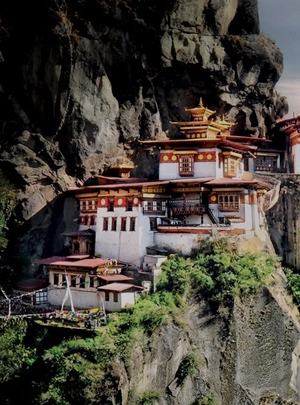
Discover the Iconic Tiger’s Nest Journey to the breathtaking Tiger’s Nest Monastery, perched on the cliffside of the Paro Valley. This sacred site offers a profound spiritual experience and stunning panoramic views that make the trek unforgettable. |
✓ |
Enjoy Authentic Bhutanese Hospitality Feel the warmth of Bhutan's traditional greeting, "Kuzuzangpo La," as our expert guides introduce you to the heart of Bhutanese culture, sharing local insights and traditions. |
✓ |
Embrace the Philosophy of Gross National Happiness Discover Bhutan’s unique approach to well-being, where Gross National Happiness takes precedence, offering a refreshing way to look at life and find deeper fulfillment. |
✓ |
Live the Simple Joys of Bhutanese Life Slow down and embrace the Bhutanese lifestyle, where simplicity and everyday happiness are celebrated. Experience the beauty of finding joy in the small things. |
✓ |
Explore Bhutan with Expert Knowledge Let our experienced All Bhutan Connection specialists guide you through the wonders of the country, offering local expertise and insider knowledge for a truly unforgettable journey. |
Here are what our guests say about their trip to Bhutan
Guest, May 2024
United Kingdom

Guest, May 2024
United Kingdom
Guest, May 2024
Philippines
Guest, May 2024
Singapore
As a highly experienced Bhutan tour operator, we partner with expert tour guides, each with over 10 years of knowledge, to craft a customized Bhutan journey just for you. Picture yourself exploring breathtaking landscapes and rich cultural traditions, guided by the finest travel professionals in Bhutan. Imagine yourself immersed in the most unforgettable exploration of stunning landscapes and vibrant cultural traditions with the best Bhutan travel agents.
We guarantee visa approval, giving you peace of mind and a hassle-free experience. Choose All Bhutan Connection for an unforgettable Bhutanese adventure!
With All Bhutan Connection, we give every traveler the ultimate flexibility. You don't have to join a fixed departure group - just pick your day.
We create personalized trips tailored to your needs, ensuring a unique experience.
Our certified guides provide in-depth knowledge and insights, making your trip truly immersive.
We prioritize your comfort and satisfaction, ensuring a stress-free journey.
We put your needs first and deliver exceptional service to ensure an unforgettable experience.
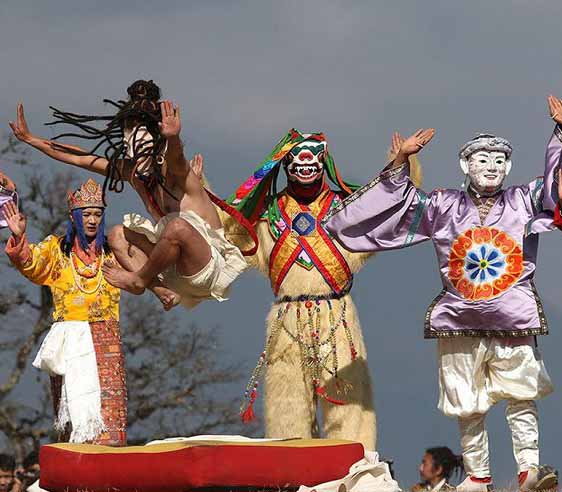
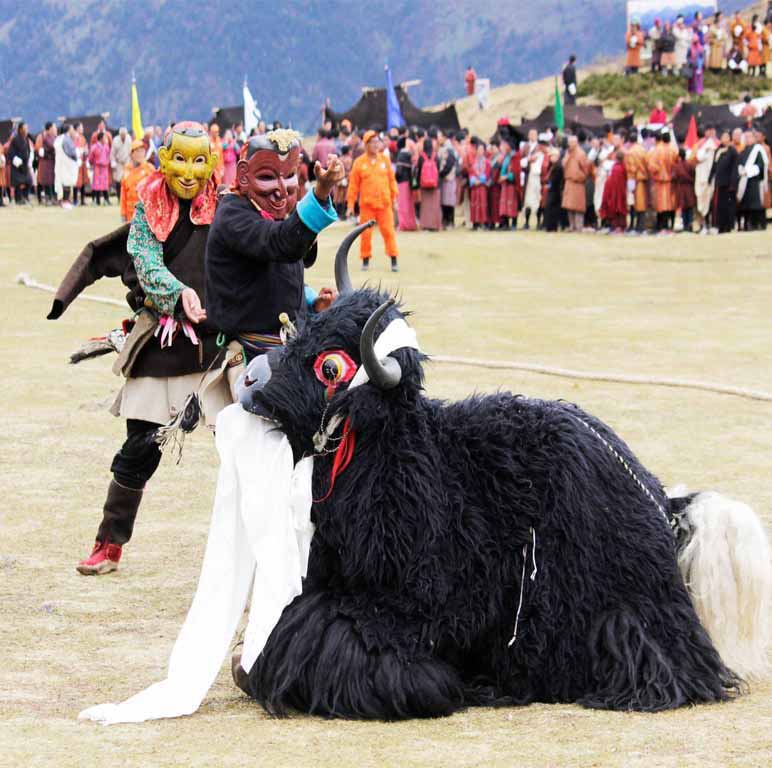
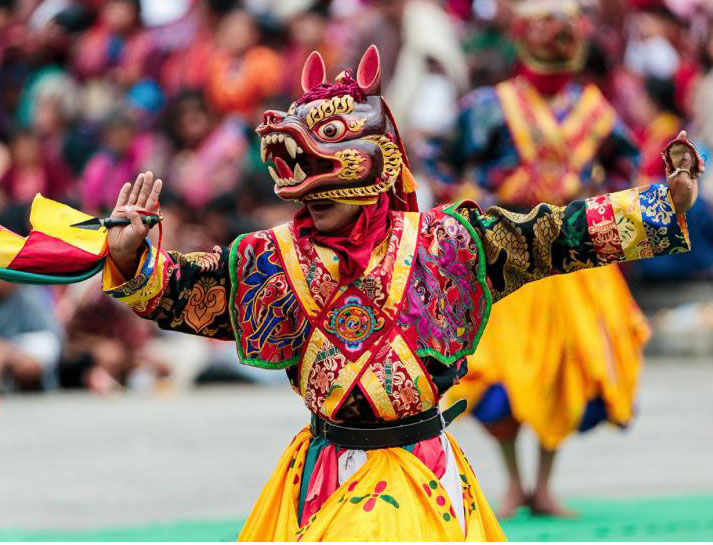
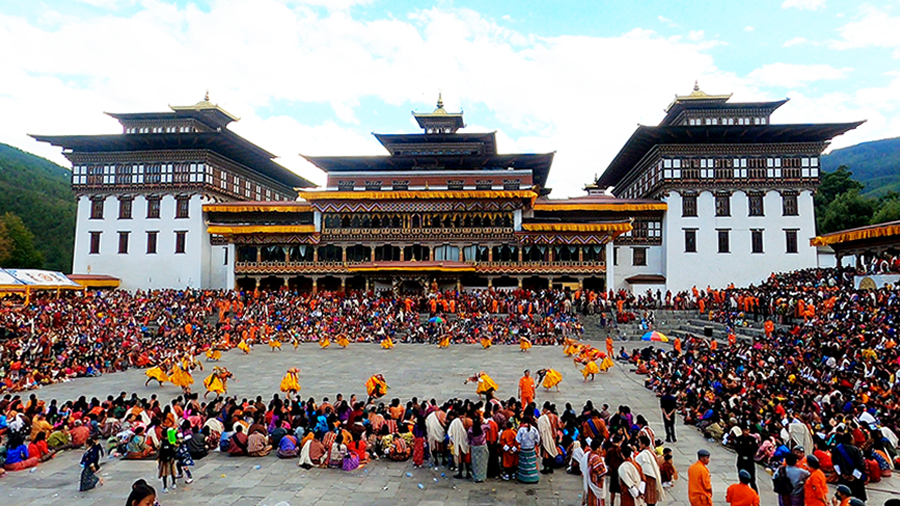
These tour packages offer a once-in-a-lifetime opportunity to witness Bhutan's vibrant and spiritually significant festivals, known as Tsechus. Held in various regions across the country, these festivals are celebrated with elaborate mask dances, symbolizing ancient myths and religious tales passed down for centuries.
The colorful parades, featuring local performers in intricate costumes, bring the streets alive with tradition, joy, and devotion. These festivals only happen once a year and are deeply rooted in Bhutanese culture, offering an authentic glimpse into the country's unique spiritual and cultural heritage. Guests have the chance to join local communities in prayer and celebration, making this an unforgettable experience.
Book a trip now and don't miss this chance to see Bhutan's true colors.
All visitors to Bhutan must obtain a visa before arrival. ABC handles the entire visa application process on your behalf, ensuring that all required documentation is prepared and submitted accurately. Our visa policy is straightforward: if your application is rejected, we offer a full refund.
From managing tickets and visa applications to crafting your perfect itinerary, ABC takes care of every detail. Reach out to our friendly consultants, and we’ll design an unforgettable Bhutan travel experience just for you.
We pride ourselves on unveiling the enchanting wonders of Bhutan to travelers from across the globe.
We serve solo travelers, double pax groups and more!
With limited opportunities available, don’t wait—book now! ______
Want to be the first to know about exclusive deals & tips on travelling to Bhutan?
Our team will definitely get back to you through the given email address
Of course, we will never spam you or share your contact information with third parties.
Bhutan is a unique and fascinating destination for tourists due to its distinct culture, natural beauty, and commitment to sustainable tourism. Here are some of the special features of Bhutan that attract tourists
Bhutan is known for prioritizing Gross National Happiness over Gross Domestic Product (GDP). This philosophy emphasizes sustainable development, cultural preservation, and well-being, offering tourists a chance to experience a country with a unique approach to governance and development.
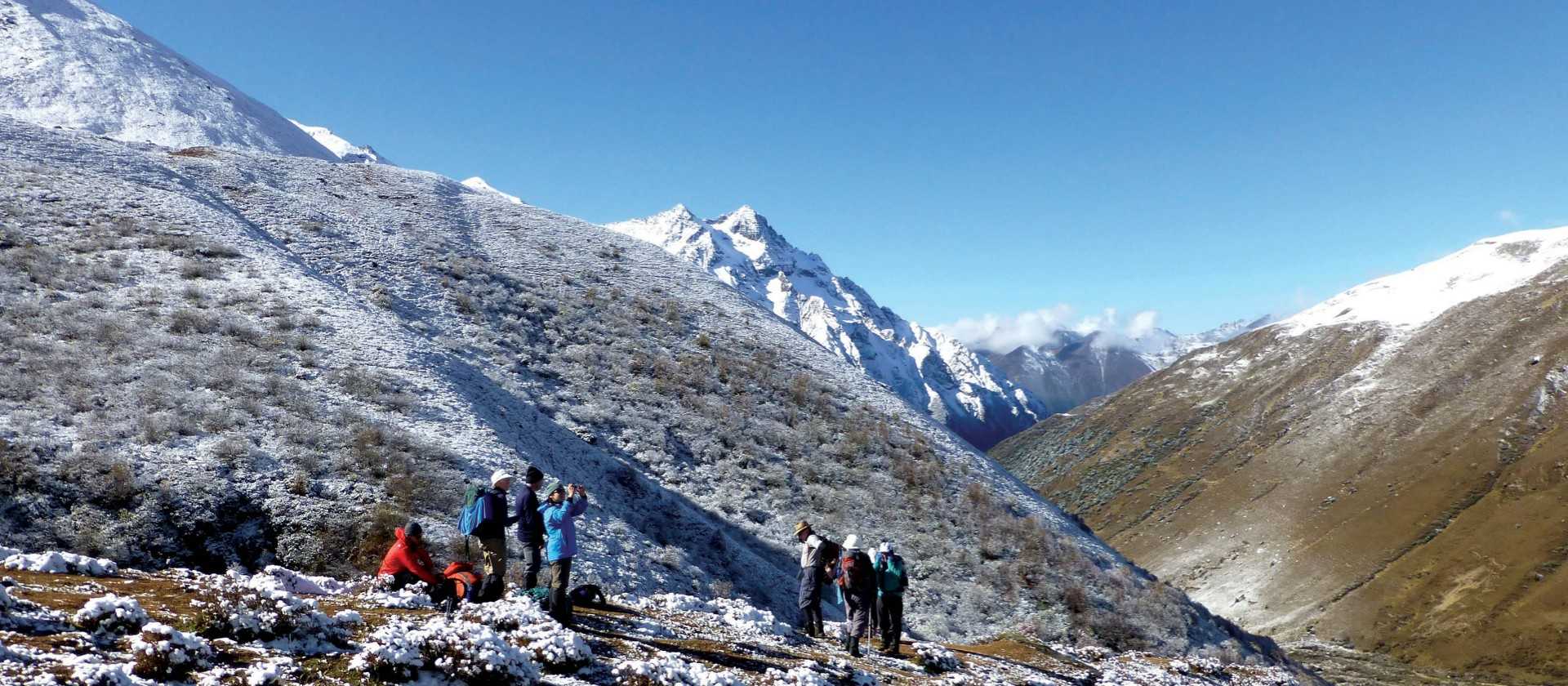
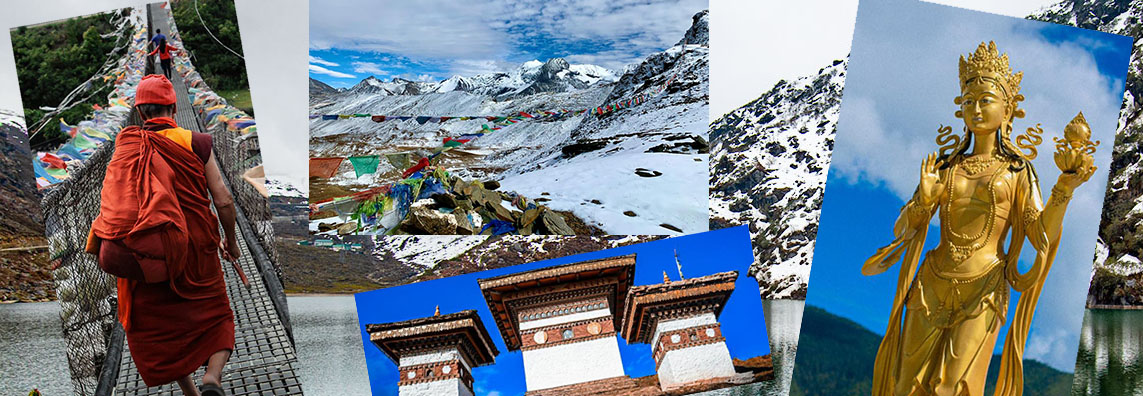
Bhutan is home to stunning landscapes, including towering Himalayan peaks, lush valleys, dense forests, and crystal-clear rivers. Popular trekking routes such as the Jomolhari Trek and the Druk Path Trek allow tourists to immerse themselves in these natural wonders.
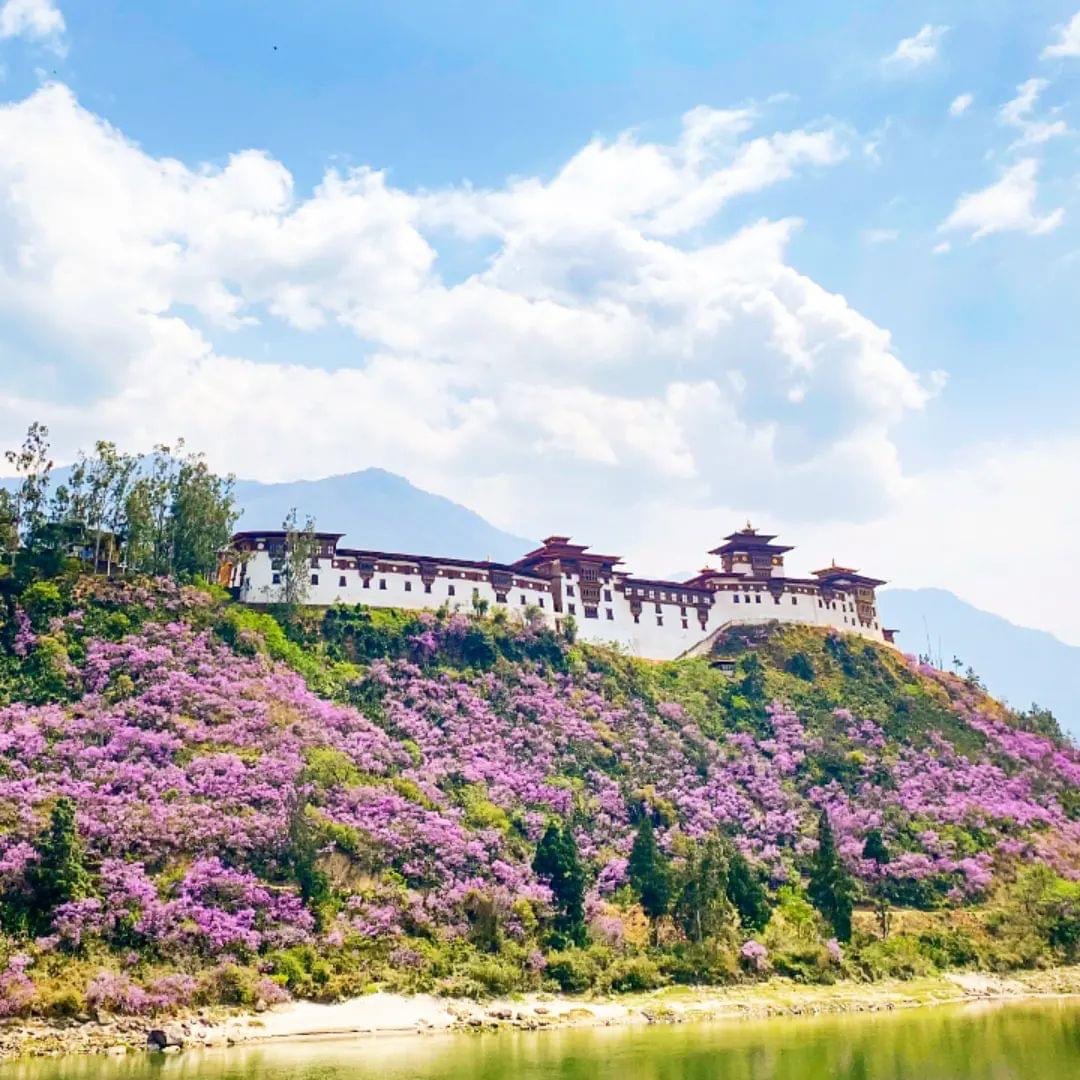
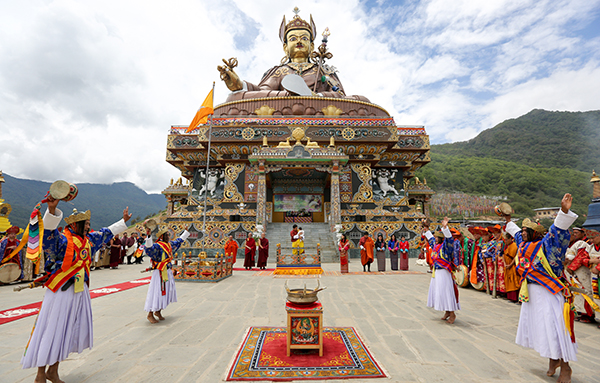
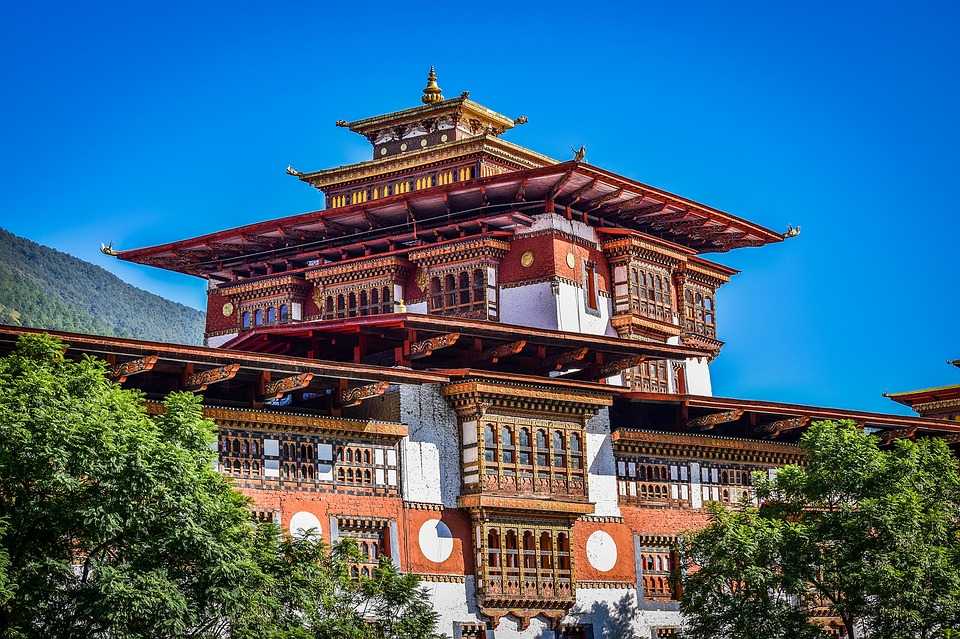
Bhutan is deeply rooted in its Buddhist traditions. Tourists can explore ancient monasteries like Paro Taktsang (Tiger's Nest), Punakha Dzong, and numerous chortens (stupas) and temples. Bhutan's cultural festivals, such as the Tshechu, feature vibrant mask dances and religious performances that showcase its spiritual and cultural richness.
Festivals like Paro Tshechu and Thimphu Tshechu are renowned for their colorful mask dances and religious performances. These festivals are deeply spiritual and offer a rare glimpse into Bhutan’s Buddhist practices and rituals.
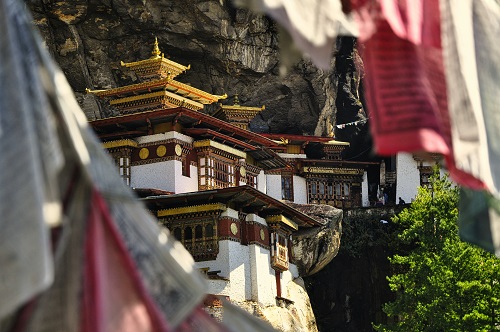
Sacred Sites of Bhutan: Journey to Spiritual Sanctuaries
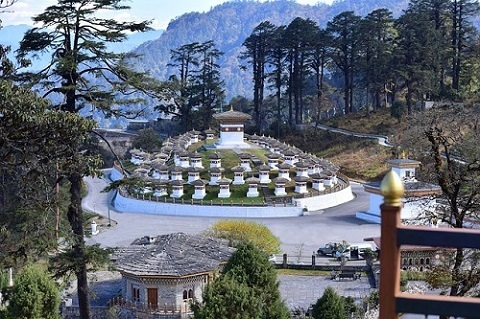
Bhutan Travel Guide: Discovering the Land of the Thunder Dragon
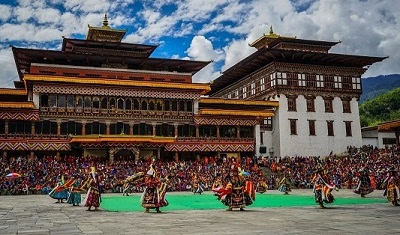
Update on Covid-19: IS BHUTAN OPEN FOR TOURISM?
Get expert advice for your dream trip to Bhutan from our seasoned All Bhutan Connection travel specialists. With extensive experience welcoming visitors from around the globe, our Bhutan travel experts have crafted unforgettable adventures for over a thousand travelers.
Contact Number: (+975) 1711 0866
Email Address: tshering.dhendup@gmail.com
Note: You may require to add above number on whatsapp directly
(OR) You can fill up your Name and Email. Click directly on "HEAR FROM US"
You can apply online for a visa here, or if you’re travelling with a tour operator, they may apply on your behalf.
Visitors from Bangladesh and the Maldives requiring a visa can apply either online before travelling or in person upon arrival in Bhutan.
Are there any nationalities restricted from being granted a visa to enter Bhutan?
No, there are no restricted nationalities in Bhutan.
A correctly input visa application can take up to five days to process.
There is a one-off fee of US$40 for the processing of your application. This is payable at the same time as your Sustainable Development Fee (SDF), as part of the process of submitting your visa application.
The visa allows you to remain in Bhutan for a maximum of 90 days from the date of entry.
Yes, provided the extension is applied for before the original visa or permit expires.
Visitors can extend their stay via the online visa application portal, using the same log-in details that were used to process their original visa.
The fees for processing your extension application, and daily SDF for the duration of your extended stay, will be payable via the same portal.
Yes, it is possible to use your credit card to pay for your visa and SDF online. However, we strongly recommend that you notify your bank prior to making the credit card transaction to ensure that the payment is processed successfully. If they are not informed in advance, sometimes international banks will block online payments to Bhutan as part of the bank’s online security measures.
No. The requirement for mandatory travel insurance was lifted on April 23, 2024. However, it is strongly recommended that all guests to Bhutan have travel insurance before visiting the Kingdom as a precaution in case of unforeseen situations.
No. In the past, all visitors needed to book their travel to and within Bhutan through an accredited tour operator. Any visitor travelling to Bhutan after our reopening on September 23rd 2022 can now book all aspects of the journey independently. Still, we warmly recommend our many accredited tour operators for their expert knowledge and excellent service.
There is a charge of Nu. 4,500 per car, per day. A guide is also mandatory and will be at an additional charge.
If guests want to bring their own car, the cars must meet the requirements of Bhutan's Roads Safety and Transport Authority, and must also have a valid driver's license, insurance documentation, pollution control documentation, an entry permit, and a vehicle in reasonable condition. A valid Indian driver's license is accepted for self-driving within Bhutan. The same fees and rules apply for motorbikes.
In case the vehicle is not owned by the guests travelling to Bhutan, an authorisation letter is required. For more information on this subject please contact our Hosts team.
If you would like to book completely independently, there are plenty of online resources for inspiration, research and booking – including this website. There are lots of experienced, accredited tour operators that can help you too.
Our host team is also on hand to help provide you with information as you plan your journey.
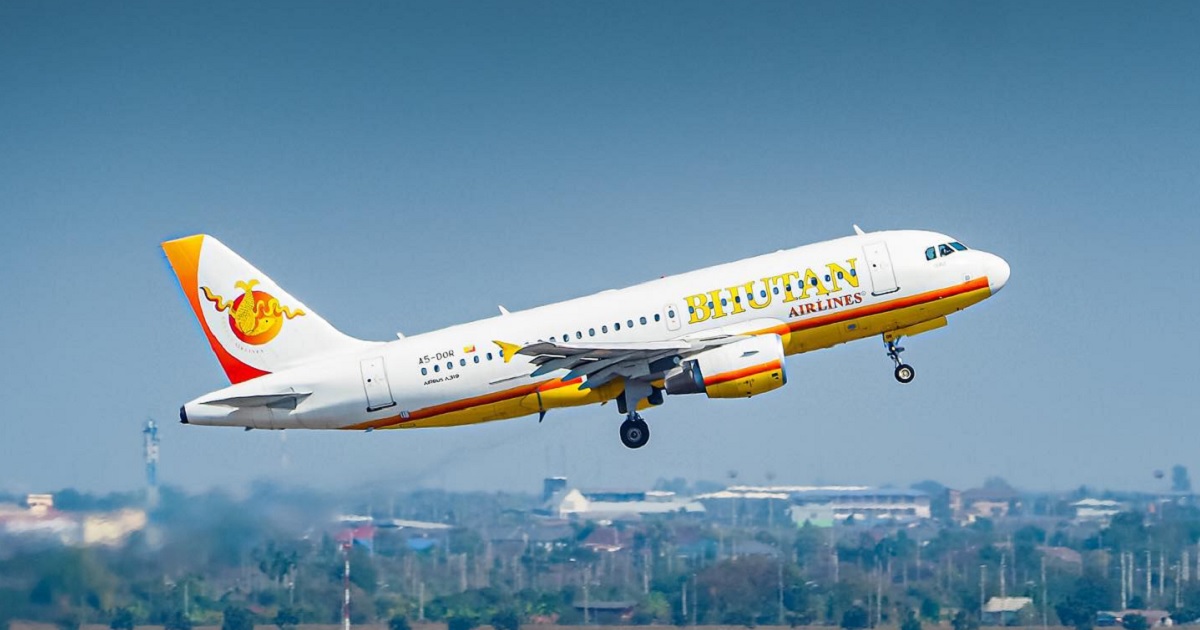
The country has one international airport located in Paro. Flights operated by Drukair and Bhutan Airlines arrive and depart from destinations including Bangkok, Delhi, Kolkata, Bagdogra, Bodhgaya, Dhaka, Kathmandu, Guwahati and Singapore. Private jets or charters can fly into Bhutan after obtaining the relevant approvals.
There are also domestic airports in Yonphula in eastern Bhutan, Bumthang in central Bhutan, and Gelephu in south-central Bhutan.
Although we recommend all visitors stay up to date with vaccinations against covid-19 to help stop the spread of the disease, there are now no covid-19 vaccination requirements for adults or children to enter Bhutan from September 23rd 2022. There is no quarantine requirement either.
No random covid-19 testing will be undertaken at any port of entry into Bhutan, however this may be done if a guest is showing symptoms or asks for a test.
If a guest tests positive for covid-19 during their stay in Bhutan, they will be admitted entry into the country without any quarantine period, however will be required to wear a face mask at all times and maintain other precautionary measures until they test negative again.
There will be no covid-19 protocols to leave Bhutan, unless the country the guest is travelling to requires them.
You can take a taxi from the taxi rank outside the airport or organise an airport transfer with your hotel or tour operator. There is no other public transport available at the airport.
The most convenient way to travel in Bhutan is to hire a vehicle and driver from a car rental company or a tourism service provider such as a Bhutanese Tour Operator. It is not possible to hire a self-drive vehicle in Bhutan.
Your hotel may also be able to provide or arrange transport for you.
If you are travelling with a tour operator, your transport will be arranged for you.
Domestic flights are often the fastest way to travel longer distances within Bhutan. Domestic airports operate flights to and from Yonphula in eastern Bhutan, Bumthang in central Bhutan, and Gelephu in south-central Bhutan.
For special itineraries, helicopter services can be arranged. For more information about helicopter services, visit the Royal Bhutan Helicopter Services page or contact your travel partner.
All treks must be undertaken with an accredited tour operator or guide. Your tour operator will assist you with all the necessary logistics and safety precautions.
Please contact our hosts for the Department of Tourism's list of approved tourism services.
A local guide will help you see the best that the country has to offer and will ensure your safety when exploring unfamiliar terrain and altitude. It is mandatory to be accompanied by a guide for any journey or any trek beyond Thimphu and Paro. Guides are also mandatory for visitors who enter Bhutan via our land borders and plan to travel beyond the border towns.
Guests no longer require a Route permit to travel around the country, so long as they are accompanied by a guide certified by the Department of Tourism. Please contact our hosts for the Department of Tourism's list of approved tourism services.
While guides aren’t necessary for all experiences, such as dining out and shopping, we strongly recommend that guides accompany visitors for experiences such as visiting temples and local places of interest. It is mandatory to have a guide when visiting monuments such as dzongs, for instance.
If you are following an itinerary or taking part in a trip organised by your hotel, you will not need to book a guide as one will be arranged by the hotel.
Bhutan offers a wide range of accommodation, from luxurious five-star hotels to cosy homestays in traditional village settings.
Please contact our hosts for the Department of Tourism's list of approved accommodation.
You may only stay in accommodation or campsites approved by the Tourism Council of Bhutan.
Please contact our hosts for the Department of Tourism's list of approved accommodation.
Bhutan is a very safe place to visit, even if you’re travelling alone. There is very little crime experienced by locals or visitors, although we advise you to take care of yourself and your belongings. In some areas you may encounter stray dogs – please be cautious around them as they are not domesticated. They normally keep their distance, but please stay away from them as much as possible, especially if travelling with children. Please don’t feed or pat these or any other wild animals.
Bhutan’s physical environment presents occasional safety hazards, including flooding and landslides. From June to September the monsoons can affect transport and services. Check with your hotel or tour operator for possible disruptions.
There is some very good content in the form of SHINE Tourism Attraction Books that list activities and helpful information available to download at the following link:
The tour operators in Bhutan would also be able to provide you with good on the ground knowledge about the highlights of each regional district (Dzongkhag).
The Sustainable Development Fee (SDF) is a daily levy paid by visitors to support Bhutan’s development. Since the kingdom first opened its doors in 1974, guests have played a critical role in our country’s growth.
The SDF is collected by the national exchequer and funds are allocated to various projects that create long-term, sustainable opportunities for the Bhutanese people, through free healthcare, education and training, upskilling the tourism and hospitality industry, improved infrastructure, environmental preservation and conservation, cultural preservation programmes and initiatives that support local businesses and economies. The SDF is also a vital means of maintaining the exceptional forest cover and carbon-neutrality for which our small nation is world-renowned and globally critical. The SDF also helps us to ensure that we can continue to offer guests tranquility and an intimate experience.
The SDF is USD 100 per night for adults from all countries except for India. Children aged between 6 years and who have not yet turned 12 are eligible to pay USD 50 per night. Children who have not yet turned 6 years old do not have to pay any SDF.
The SDF for Indian nationals (showing a valid Indian passport or Voter ID card) is Nu. 1,200 (or the equivalent amount in Indian rupees) per person, per night. Children aged between 6 years and who have not yet turned 12 are eligible to pay Nu./INR 600 per night. Children who have not yet turned 6 years old do not have to pay any SDF.
No. This incentive is not combinable with the SDF waiver for border towns.
Tourists visiting Samtse, Phuentsholing, Gelephu, and Samdrupjongkhar towns for 24 hours need not pay Sustainable Development Fee (SDF) beginning April 14, 2023. The waiver will be enforced for a year. The SDF waiver will only apply for tourists who do not travel beyond the designated zones of border towns. However, SDF will apply for visitors who travel beyond the designated zone of border towns.
Tourists will be charged SDF if they go beyond Gurung Basti in Samtse, and beyond Rinchending Checkpost in Phuentsholing. The designated zone in Gelephu is at Aipoli Bridge and Pinchinna checkpost in Samdrupjongkhar.
If guests who are already in Bhutan wish to extend their stay, what is the process?
Extensions must be made in person at the Department of Immigration and must be paid in US Dollars.
For Indian Nationals, extensions can be made in person at the Department of Immigration and must be paid in INR.
What happens if a guest wants to take advantage of the SDF revision before they have arrived in Bhutan?
The guests should cancel their visa application and apply again. Please allow at least five working days to process the visa application. The SDF that they have already paid can be used when applying again and any excess will be refunded. SDF payments cannot be refunded after guests have either arrived in Bhutan or have departed Bhutan.
Can guests who have already obtained a visa take advantage of the new SDF incentives?
Yes, guests who have already obtained a visa and booked trips to Bhutan can take advantage of the new SDF incentive. They will need to cancel their existing visa application and re-apply. Please note that DoI will forfeit their original visa fee (USD 40) and guest will be required to pay the USD 40 visa fee again when they process their new visa application. The SDF that they have already paid can be used when applying again.
Only guests from India are eligible to pay the rate of Nu. 1,200 (or equivalent in Indian Rupees) per day.
The country has one international airport located in Paro. Flights operated by Drukair and Bhutan Airlines arrive and depart from destinations including Bangkok, Delhi, Kolkata, Bagdogra, Bodhgaya, Dhaka, Kathmandu, Guwahati and Singapore. Private jets or charters can fly into Bhutan after obtaining the relevant approvals.
There are also domestic airports in Yonphula in eastern Bhutan, Bumthang in central Bhutan, and Gelephu in south-central Bhutan.
Yes, the SDF will be refunded by the Department of Immigration for any cancelled or shortened trips; any bank charges will be deducted from the total refunded. Requests for SDF refunds should be submitted online using the visa portal. The refund will be processed after visitors leave Bhutan.
If a guest decides to leave Bhutan earlier than planned, are they eligible for an SDF refund?
Yes, the SDF will be refunded for any nights that are not spent in the kingdom.
The most convenient way to travel in Bhutan is to hire a vehicle and driver from a car rental company or a tourism service provider. It is not possible to hire a self-drive vehicle in Bhutan.
You can also book a local driver or transport service provider (as well as airline tickets and tour operators) using the Druk Ride app. Your hotel may also be able to provide or arrange transport for you.
There are also domestic airports in Yonphula in eastern Bhutan, Bumthang in central Bhutan, and Gelephu in south-central Bhutan.
If you are travelling with a tour operator, your transport will be arranged for you.
Domestic flights are often the fastest way to travel longer distances within Bhutan. Domestic airports operate flights to and from Yonphula in eastern Bhutan, Bumthang in central Bhutan, and Gelephu in south-central Bhutan.
For special itineraries, helicopter services can be arranged. For more information about helicopter services, visit the Royal Bhutan Helicopter Services page or contact your travel partner.
Who can I speak to about general SDF questions, how the SDF is calculated or how much it is going to cost to visit?
Yes – Bhutan's Department of Tourism has a dedicated visitor centre at Paro International Airport. Others may be found at the four border entry points.
You can change your local currency for ngultrum upon arrival at Paro International Airport or at banks, larger hotels and authorised currency exchange businesses in Thimphu.
You may bring cash equivalent to US$10,000 into the country.
ATM and banks accept Visa and Mastercard. International credit cards are widely used in urban areas of Bhutan. However this service may not be available in other parts of the country. Visitors can download the digital wallet app goBoB launched by the Bank of Bhutan, which can be used with a local SIM card and is widely accepted throughout the country. Another option is the MyPay digtal wallet app launched by Bhutan National Bank. Both apps can be connected to international credit cards and used widely.
Cash in US dollars and Indian rupees is also widely accepted. We advise bringing some cash in either of these currencies, or in Bhutanese ngultrum.
Most hotels have Wi-Fi in Bhutan, but we recommend obtaining a guest SIM card for more convenient access to data and a more reliable internet connection. Mobile data in Bhutan can also be expensive. You can find the B Mobile SIM in mobile stores in larger cities, which you can easily top up using the Bank of Bhutan app goBoB. This app also facilitates other payments within the country.
SIM cards can be purchased from the Paro International Airport’s visitor information centre on arrival, or from branch offices of Bhutan Telecom and TashiCell, or from authorised agents in towns.
Keeping important antiques and artefacts in Bhutan is a key part of how we preserve our heritage for future generations. We have a law that sets out which artistic, historic, cultural, religious, social, archaeological and technical objects you may not take with you when you leave. To ensure any items you acquire comply with the law, you will need an Export Permit for Non-Antique Artefacts. Find out more about the permit and how to apply for one here.
A permit, which must be applied for in advance, is required to fly a drone either recreationally or commercially in Bhutan. Please email media@tcb.gov.bt to find out more about the regulations.
Yes. A guide is required at all times for all guests who drive their own cars to Bhutan. It is highly recommended to pre-book guides before arriving at the borders. If you need help with arranging a guide, please contact our host services team here.
Route Permits are no longer required to move around Bhutan. However, anyone on a business visa or for an official purpose is required to have a Route Permit.
Yes, permits are required to enter National Parks in Bhutan. However the process can be done online and the permit should be issued quickly.
While most monuments in Bhutan are free, some are chargeable. For the full list of monument fees, please click here for more information. Children below 18 years will have a 50% concession and children aged five years and below will be exempted. Most monuments are open from 9am - 5pm each day. In June 2023 it was announced that foreign visitors can now visit monuments whenever they are open to the general public, without any restrictions.
The All Bhutan Connection Pvt. Ltd (ABC) is composed of highly experienced professionals who have been pivotal in shaping Bhutan’s tourism industry since 2002. Their deep understanding of Bhutan’s culture, history, and natural beauty ensures that every visitor experiences the essence of the country. As veteran tour directors and guides, they bring unmatched expertise in crafting personalized travel experiences that highlight Bhutan’s unique attractions. Their dedication to exceptional service, attention to detail, and intimate knowledge of the region make them the leading experts in Bhutan’s tourism industry.
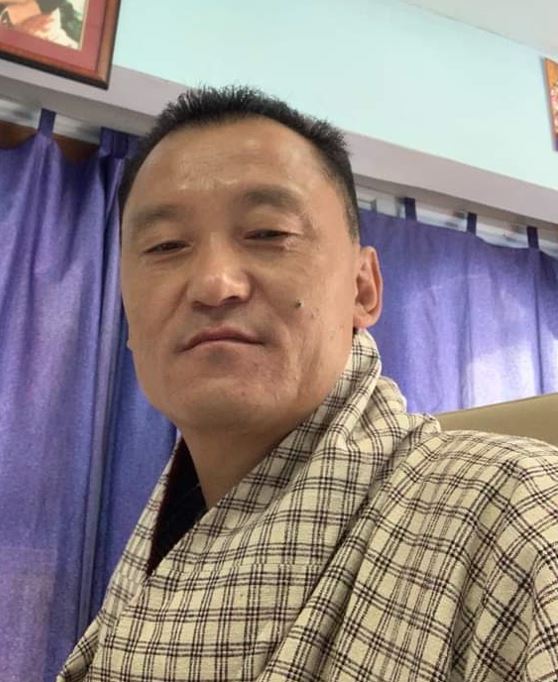
TSHERING DHENDUP |
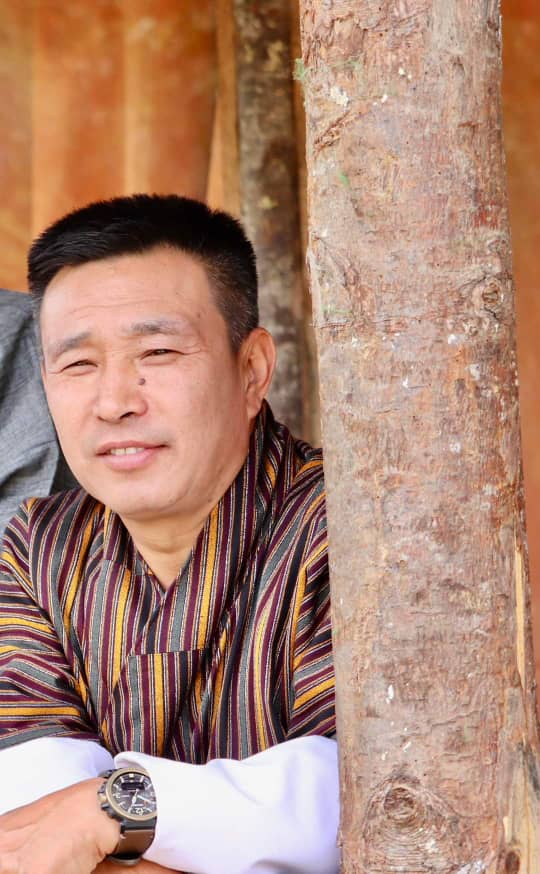
NEEDUP WANGDEE |
|
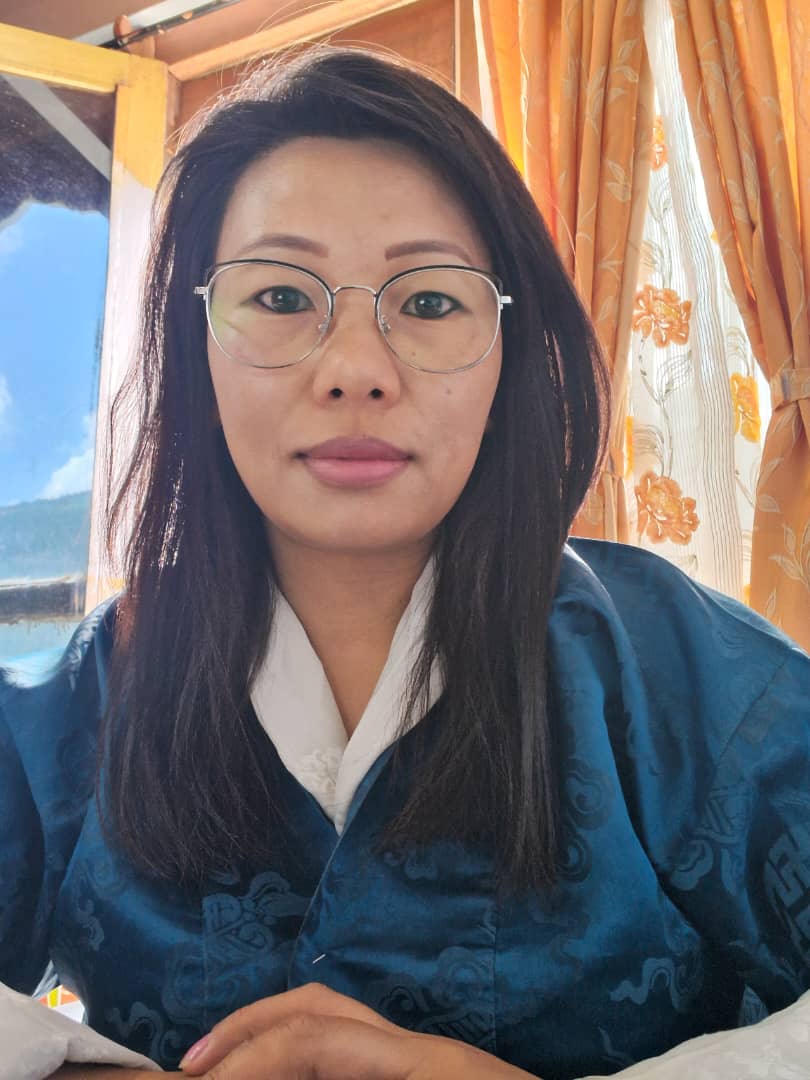
PHURPA LHAMO |
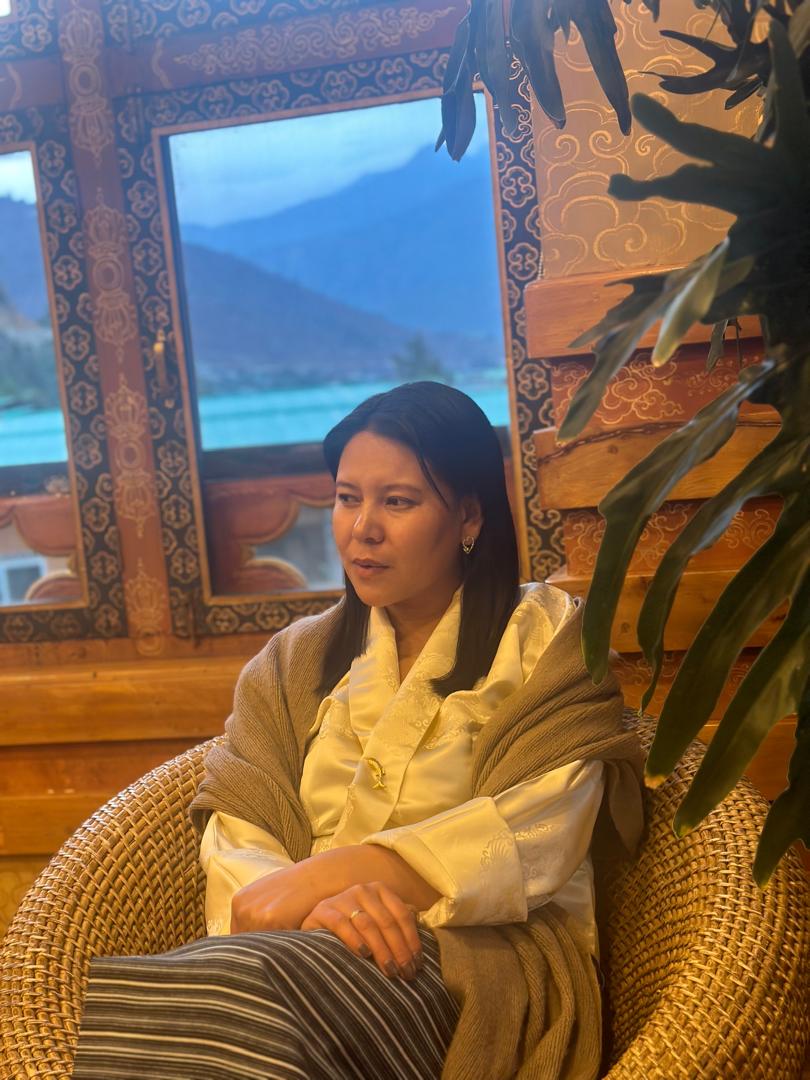
WANGCHUK DEM |
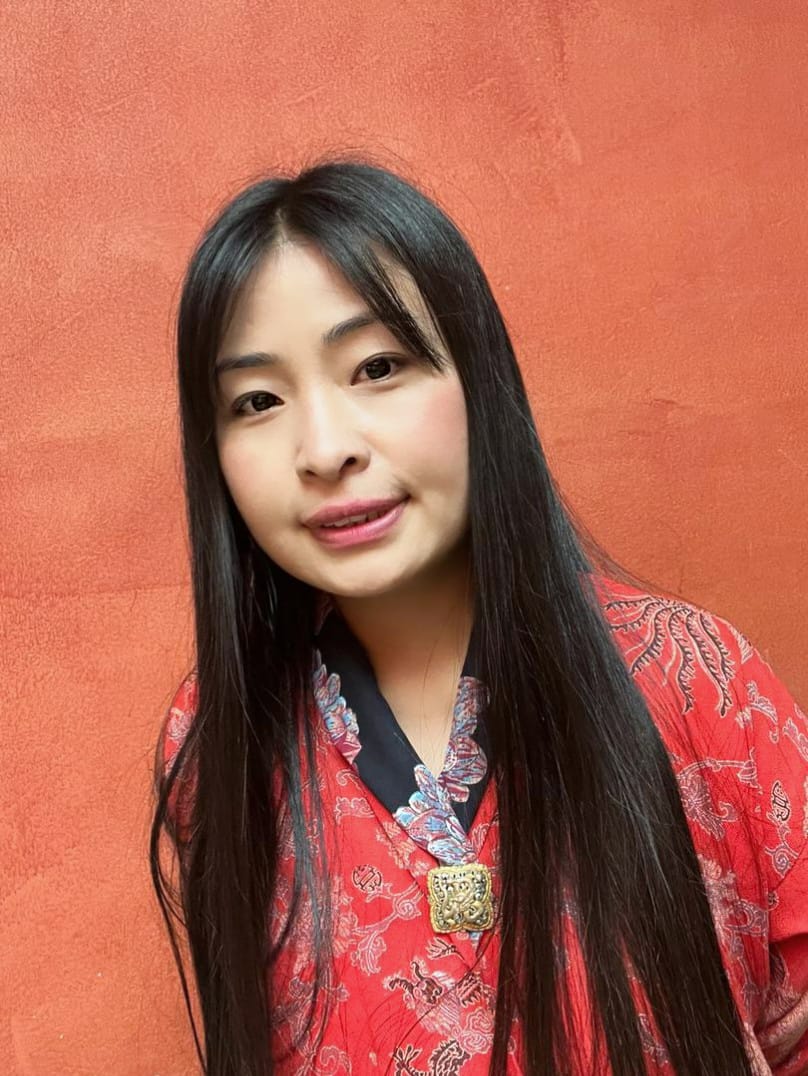
GYEM LHAMO |